Best Ways to Preserve Garlic for Winter Freshness
Garlic is an indispensable ingredient in kitchens worldwide, lending its pungent, aromatic magic to countless dishes. While fresh garlic is readily available year-round in most supermarkets, there's a unique satisfaction in preserving garlic from your own garden harvest or a bulk purchase. The peak season for fresh, locally grown garlic is typically late summer, offering an abundance of high-quality bulbs. Learning the best ways of preserving garlic for winter not only ensures a steady supply of this flavorful staple through the colder months but also allows you to enjoy its superior taste and robust health benefits long after harvest. This guide will walk you through various effective methods, transforming your winter cooking.
Why Preserve Garlic for Winter?
There are several compelling reasons to invest time in garlic preservation:
- Cost-Effectiveness: Buying garlic in bulk during its peak season is often more economical. Preserving it means you're not paying premium prices for out-of-season produce.
- Superior Flavor: Freshly harvested and properly preserved garlic often boasts a more intense and complex flavor profile than some commercially aged varieties.
- Food Security & Convenience: Imagine always having garlic on hand, ready for any recipe, without an extra trip to the store.
- Reduced Waste: If you have an abundant harvest or purchased too much, preservation prevents spoilage and food waste.
- Health Benefits: Garlic is renowned for its medicinal properties, including immune-boosting and anti-inflammatory effects. Keeping a steady supply helps maintain these benefits.
Essential Preparations Before Preserving
Regardless of the method you choose, proper preparation is key to successful, long-lasting garlic preservation. Start with the best quality garlic you can find.
Selecting and Preparing Your Garlic
- Choose Wisely: Select firm, unblemished bulbs with dry skins. Avoid any garlic that feels soft, has sprouts, or shows signs of mold. Organic, locally grown garlic often provides the best flavor and shelf life.
- Curing (if homegrown): If you've harvested your own garlic, it must be properly cured before long-term storage or processing. Curing involves drying the bulbs in a warm, dry, well-ventilated area for 2-4 weeks. This hardens the wrappers, shrinks the root system, and concentrates the flavors, preparing it for storage.
- Cleaning: Gently brush off any loose dirt. Do not wash the bulbs, as moisture can encourage mold.
- Peeling: For most processing methods (except whole bulb storage), you'll need to peel the cloves. A good trick is to gently smash the clove with the flat side of a knife, or shake them vigorously in two metal bowls taped together to loosen the skins.
Top Methods for Preserving Garlic for Winter Freshness
From traditional storage to modern techniques, here are the most effective ways to keep your garlic fresh and flavorful throughout the winter months.
1. Whole Bulb Storage: The Classic Approach
This is the simplest and often preferred method for keeping garlic fresh for several months, provided the conditions are right. It’s perfect for those who want their garlic as close to "fresh off the farm" as possible.
- Conditions: Store whole, unpeeled bulbs in a cool (50-60°F or 10-15°C), dark, and well-ventilated area. Humidity should be moderate, around 60-70%.
- Storage Containers: Use mesh bags, open paper bags, or even hang garlic braids. The key is good air circulation. Avoid airtight containers or plastic bags, which trap moisture and lead to spoilage.
- Duration: Hardneck varieties typically last 4-6 months, while softneck varieties can last 6-9 months or even longer under ideal conditions.
- Tips: Check bulbs periodically and remove any that show signs of softening, sprouting, or mold to prevent spoilage from spreading.
2. Freezing: A Convenient Long-Term Solution
Freezing is an excellent method for preserving garlic's flavor and potency for up to a year. It's incredibly versatile, allowing you to freeze garlic in several forms.
- Whole Peeled Cloves: Peel individual cloves, blanch them quickly in boiling water for 30 seconds, then immediately transfer to an ice bath. Pat them completely dry, then spread on a baking sheet to freeze solid. Once frozen, transfer to airtight freezer bags or containers.
- Minced or Chopped Garlic: Peel and mince/chop garlic. You can freeze it as is, or mix it with a little olive oil to prevent clumping. Place small portions (e.g., 1 teaspoon) into ice cube trays, freeze, then transfer the frozen cubes to a freezer bag. This makes it easy to grab exactly what you need for a recipe.
- Garlic Puree: Blend peeled garlic with a small amount of olive oil (about 1 part oil to 2-3 parts garlic) into a smooth paste. Freeze in ice cube trays as described above. The oil helps preserve the flavor and prevents freezer burn.
- Usage: Frozen garlic can be added directly to dishes without thawing. Its texture will be softer than fresh, but the flavor remains strong.
3. Dehydrating: For Powders and Flakes
Dehydrating garlic transforms it into a shelf-stable ingredient that's perfect for making your own garlic powder or flakes. This method significantly reduces its bulk and offers unique culinary uses.
- Preparation: Peel and thinly slice garlic cloves (about 1/8 inch thick). The thinner the slices, the faster they will dry.
- Dehydrator Method: Arrange slices in a single layer on dehydrator trays. Dry at 125°F (52°C) for 6-12 hours, or until completely brittle.
- Oven Method: Spread slices on a baking sheet lined with parchment paper. Dry in an oven set to its lowest temperature (ideally 150-175°F or 65-80°C) with the door slightly ajar to allow moisture to escape. This can take several hours, so monitor closely to prevent burning.
- Storage: Once completely dry and cooled, store garlic flakes in airtight containers in a cool, dark pantry.
- Making Powder: Grind dried garlic flakes in a spice grinder or blender until a fine powder forms. Store in an airtight container. Homemade garlic powder is incredibly flavorful!
4. Pickling: Tangy and Flavorful
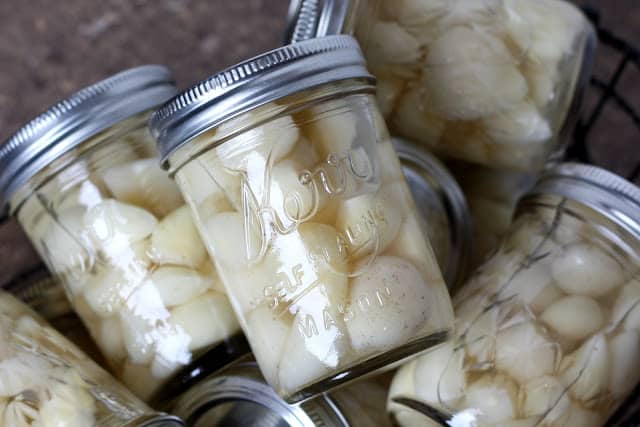
Pickling garlic infuses it with a delicious tangy flavor, making it a wonderful addition to salads, charcuterie boards, or as a standalone snack. This method uses vinegar to create an acidic environment that safely preserves the garlic.
- Recipe Basics: You'll need peeled garlic cloves, a brine (typically vinegar, water, salt, and sometimes sugar and spices), and sterilized canning jars.
- Process: Pack peeled garlic cloves into jars. Heat your brine mixture until the salt and sugar dissolve. Pour hot brine over the garlic, leaving 1/2 inch headspace. Seal with sterilized lids and process in a boiling water bath canner according to altitude and recipe specifications (usually 10-15 minutes).
- Flavor Variations: Experiment with adding herbs like dill, bay leaves, or chili flakes to the brine for different flavor profiles.
- Storage: Properly canned pickled garlic can be stored in a cool, dark pantry for up to a year. Once opened, refrigerate.
5. Fermenting: Probiotic Goodness
Fermenting garlic not only preserves it but also enhances its flavor and creates beneficial probiotics. The resulting garlic is slightly softer, milder, and adds a unique umami depth to dishes.
- Method: Pack peeled garlic cloves tightly into a clean glass jar. Prepare a brine of non-chlorinated water and non-iodized salt (typically 2-3% salt by weight, e.g., 20-30g salt per liter of water). Pour the brine over the garlic, ensuring cloves are fully submerged (use a fermentation weight if needed).
- Fermentation: Cover the jar with an airlock lid or a regular lid that is "burped" daily to release pressure. Ferment at room temperature (65-75°F or 18-24°C) for 1-3 weeks, or until desired sourness is achieved. You'll see bubbles as a sign of activity.
- Storage: Once fermented to your liking, store the jar in the refrigerator, where it will last for several months.
For more detailed insights on garlic preservation, make sure to check out our Top Tips for Keeping Garlic Fresh All Winter Long, which offers even more actionable advice.
Conclusion
Preserving garlic for winter is a rewarding endeavor that connects you more deeply with your food and ensures a continuous supply of this beloved ingredient. Whether you opt for the simplicity of traditional whole-bulb storage, the convenience of freezing, the versatility of dehydrating, the tang of pickling, or the probiotic benefits of fermenting, each method offers a unique way to enjoy garlic's robust flavor year-round. Experiment with different techniques to find what best suits your culinary needs and lifestyle. By taking the time to preserve garlic now, you'll be well-prepared to infuse your winter meals with its incredible taste and aroma, truly enhancing your home cooking experience.
