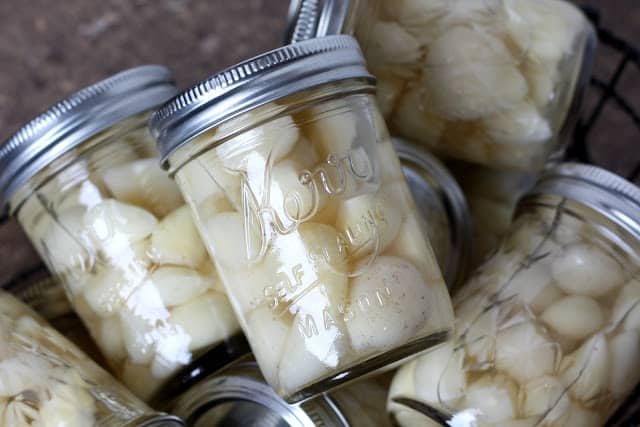
Ultimate Guide: Preserving Garlic for Winter Storage
There's nothing quite like the pungent aroma and robust flavor of fresh garlic to elevate any dish. Whether you're a keen home cook, a gardener with an abundant harvest, or simply someone who appreciates having staple ingredients on hand, the challenge often lies in keeping this culinary essential fresh for as long as possible. Left unchecked, garlic can sprout, dry out, or even mold, rendering it useless. This is where the art of preserving garlic for winter comes into play, ensuring you have a steady supply of this flavorful bulb even when fresh options are scarce or expensive.
Imagine having access to homegrown or bulk-purchased garlic all year round, without worrying about spoilage. This comprehensive guide will walk you through various effective methods for garlic preservation, from freezing and dehydrating to pickling, helping you extend its shelf life and maintain its potent flavor. Say goodbye to wasted garlic and hello to a winter filled with delicious, garlic-infused meals!
Why Bother Preserving Garlic for Winter? The Benefits of a Year-Round Supply
Beyond the simple desire to avoid waste, actively preserving garlic for winter offers a multitude of benefits that make the effort truly worthwhile:
- Cost Savings: Buying garlic in bulk when it's in season or on sale is significantly more economical than purchasing small quantities throughout the year. Preservation allows you to capitalize on these savings.
- Consistent Flavor: Home-preserved garlic often retains a superior, more robust flavor compared to some commercially processed alternatives. You control the quality from start to finish.
- Convenience: Having pre-peeled, minced, or sliced garlic ready in your freezer or pantry saves valuable prep time during busy weeknights.
- Reduced Waste: By extending the shelf life of your garlic, you prevent it from sprouting, shriveling, or molding, ensuring every clove gets used.
- Self-Sufficiency: For avid gardeners, preserving your harvest means enjoying the fruits (or bulbs!) of your labor long after the growing season has ended.
Understanding these advantages highlights why investing time in proper garlic preservation is a smart move for any kitchen.
Essential Preparations Before Preserving Your Garlic
The success of any preservation method hinges on starting with the highest quality garlic. Poor quality or damaged garlic will not preserve well, regardless of the technique used. Here’s how to prepare your garlic for optimal winter storage:
Choosing the Right Garlic
- Select Healthy Bulbs: Look for firm, heavy bulbs with intact, papery skins. Avoid any with soft spots, mold, or visible sprouts.
- Cured Garlic is Best: If you've harvested your own, ensure it's properly cured. Curing involves drying the bulbs in a warm, dry, well-ventilated area for several weeks after harvest. This hardens the outer skin, improving its storage potential.
- Organic is a Plus: Organic garlic tends to have fewer chemicals and a potentially longer natural shelf life.
Cleaning and Peeling
Before any active preservation, you'll need to peel your garlic. This can be the most time-consuming step, but there are tricks to make it easier:
- Smash and Peel: Place a clove on a cutting board, cover it with the flat side of a knife, and firmly press down. The skin will loosen, making it easy to peel.
- Shaking Method: Separate cloves and place them in two metal bowls of the same size. Invert one bowl over the other to create a sealed sphere, then shake vigorously for 15-20 seconds. Many skins will come off.
- Hot Water Soak: Briefly soak cloves in hot water for a minute or two. This loosens the skin considerably.
Once peeled, ensure your garlic cloves are clean and free from any green sprouts in the center, which can add a bitter taste. For general tips on keeping garlic fresh before you preserve it, consider reading our article on Top Tips for Keeping Garlic Fresh All Winter Long.
Top Methods for Preserving Garlic for Winter Freshness
Now that your garlic is prepped and ready, let's explore the most effective ways to ensure you have a constant supply of delicious garlic throughout the colder months. Here are some of the Best Ways to Preserve Garlic for Winter Freshness:
1. Freezing Garlic: Convenience at Your Fingertips
Freezing is arguably one of the easiest and most effective methods for preserving garlic for winter, especially for those who use it frequently. It retains much of garlic's fresh flavor and potency.
- Freezing Whole Peeled Cloves:
Simply peel individual cloves, pat them completely dry, and spread them in a single layer on a baking sheet. Freeze until solid, then transfer to an airtight freezer-safe bag or container. This prevents them from clumping together. You can easily grab a few as needed.
- Minced or Pureed Garlic:
Peel and mince your garlic using a food processor or by hand. You can mix it with a little olive oil (about 1 part oil to 2 parts garlic) or just freeze it plain. Spoon the mixture into ice cube trays. Once frozen, pop out the cubes and store them in a freezer-safe bag. Each cube is roughly equivalent to 1-2 cloves. This is incredibly convenient for cooking!
- Freezing Garlic in Oil (with caution):
While you can freeze garlic submerged in oil, it's crucial to understand the risks. Raw garlic in oil, when not kept sufficiently cold (below 38°F / 3.3°C), creates an anaerobic environment ideal for the growth of Clostridium botulinum bacteria, which produces a deadly toxin. If you choose this method, always keep it strictly frozen. Once defrosted, use immediately and discard any leftovers. Never store garlic-in-oil mixtures at room temperature or even just in the refrigerator for extended periods unless they are commercially prepared with acidification agents. For homemade versions, freezing is the only safe option for longer storage.
2. Dehydrating Garlic: Long-Term Pantry Staple
Dehydrating garlic is an excellent method for creating long-lasting, shelf-stable garlic flakes or powder. While the flavor mellows slightly, it's still highly aromatic and useful for many dishes.
- Preparation: Peel and slice garlic cloves thinly (about 1/8 inch thick). Uniform thickness ensures even drying.
- Dehydrator Method: Arrange slices in a single layer on dehydrator trays. Dry at 125°F (52°C) for 6-12 hours, or until completely brittle and no moisture remains.
- Oven Method: For those without a dehydrator, arrange slices on a baking sheet lined with parchment paper. Dry in your oven's lowest setting (ideally 150-170°F / 65-77°C) with the door slightly ajar to allow moisture to escape. This can take several hours.
- Storage: Once completely dry and cooled, store garlic flakes in an airtight container in a cool, dark pantry. For garlic powder, process the flakes in a spice grinder until fine.
3. Pickling Garlic: A Tangy Twist
Pickling transforms garlic into a deliciously tangy, ready-to-eat condiment. The acidity of the vinegar makes it safe for long-term storage, often without refrigeration if properly canned.
- Ingredients: Peeled garlic cloves, white vinegar (at least 5% acidity), water, salt, and optional spices (peppercorns, dill, bay leaves).
- Process:
- Blanch peeled garlic cloves in boiling water for 1 minute, then immediately transfer to an ice bath to stop cooking. This helps remove some of the raw bite.
- Pack the blanched cloves into clean, sterilized canning jars.
- Prepare a brine by combining equal parts vinegar and water with a teaspoon of salt per cup of liquid (adjust to taste). Bring to a boil.
- Pour the hot brine over the garlic, ensuring cloves are fully submerged. Remove air bubbles.
- Seal jars with new lids. For shelf stability, process in a boiling water canner according to USDA guidelines (typically 10-15 minutes, adjusting for altitude). Alternatively, simply refrigerate for immediate use (will last several months).
- Flavor Profile: Pickled garlic has a milder, sweeter flavor than raw garlic, making it great for salads, antipasto, or as a crunchy snack.
Safety First: Important Considerations for Garlic Preservation
When it comes to preserving garlic for winter, safety cannot be overstated. The primary concern is Clostridium botulinum, the bacteria responsible for botulism, a serious and potentially fatal illness. This bacterium thrives in anaerobic (oxygen-free) environments, low acidity, and moderate temperatures. Here's what you need to know:
- Garlic in Oil: As mentioned, raw garlic stored in oil at room temperature creates an ideal environment for botulism. Commercial garlic-in-oil products are acidified to prevent this. For homemade versions, you MUST freeze it, or refrigerate it and use it within 2-3 days. Do not store homemade garlic-in-oil at room temperature.
- Proper Sanitation: Always use clean utensils, cutting boards, and containers. Sterilize jars and lids thoroughly if canning.
- Acidity is Key for Pickling: Ensure your pickling brine has sufficient acidity (at least 5% vinegar) to inhibit bacterial growth. Follow tested recipes.
- Dehydrated Garlic: Ensure garlic is bone dry before storing. Any residual moisture can lead to mold growth.
- Label and Date: Always label your preserved garlic with the date of preservation. This helps you keep track of its shelf life.
- When in Doubt, Throw it Out: If you notice any signs of spoilage (off odors, mold, discoloration, gas production), or if you're unsure about the safety of your preserved garlic, it's always best to err on the side of caution and discard it.
By following these safety guidelines, you can enjoy your winter supply of preserved garlic with peace of mind.
Conclusion:
Preserving garlic for winter is a rewarding endeavor that not only saves money and reduces waste but also ensures you have a consistent supply of this beloved ingredient for all your culinary adventures. Whether you opt for the convenience of freezing, the shelf-stability of dehydrating, or the tangy delight of pickling, each method offers a unique way to extend garlic's life and flavor. By choosing high-quality garlic, preparing it properly, and adhering to crucial safety guidelines, you can confidently stock your pantry and freezer with this pungent treasure, ready to transform any meal into a masterpiece, even in the depths of winter. Experiment with different techniques to find what works best for your kitchen and enjoy the rich, aromatic rewards!
